Chain Atarax 500 is a groundbreaking AI-empowered Chain Atarax 500 trading engine relied upon by countless traders throughout France. Signing up for Chain Atarax 500 only takes a couple of minutes—create your complimentary account, dive into the Chain Atarax 500 simulation, and embark on your Chain Atarax 500 wealth-building expedition. Join a community acclaimed for sharing the most favorable Chain Atarax 500 testimonials within the sector.

Chain Atarax 500 is a groundbreaking AI-empowered Chain Atarax 500 trading engine relied upon by countless traders throughout France. Signing up for Chain Atarax 500 only takes a couple of minutes—create your complimentary account, dive into the Chain Atarax 500 simulation, and embark on your Chain Atarax 500 wealth-building expedition. Join a community acclaimed for sharing the most favorable Chain Atarax 500 testimonials within the sector.
What is Chain Atarax 500? It's an innovative Chain Atarax 500 trading tool that utilizes proprietary artificial intelligence to analyze cryptocurrency, forex, and equity markets as they unfold. The Chain Atarax 500 algorithm processes a vast array of data points in the blink of an eye, pinpointing lucrative prospects before they ripple through the market. Whether you're a seasoned trader or just dipping your toes into Chain Atarax 500 trading, our interface molds itself to fit your experience and ambitions.
Numerous Chain Atarax 500 customer testimonials reinforce our findings: users of the Chain Atarax 500 interface tap into analytics of the highest caliber, typically reserved for hedge funds and high-stakes investors. The integrated copy-trading feature enables you to adopt winning strategies effortlessly, facilitating the opportunity to profit with Chain Atarax 500 as you learn. Each Chain Atarax 500 transaction is supported by clear AI reasoning, granting you insight into why each opportunity stands out.
Protecting your assets is paramount in the Chain Atarax 500 trading engine — advanced AES-256 encryption and compulsory two-factor authentication safeguard every Chain Atarax 500 user access. Independent cybersecurity experts audit our systems on a quarterly basis, solidifying Chain Atarax 500's protection and earning the confidence of traders from France and beyond. Head over to the Chain Atarax 500 site for details on our security standards.
The evolution of artificial intelligence and machine learning has radically transformed the landscape of financial markets, heralding a new age where enormous volumes of unstructured data can be analyzed and understood instantaneously. Historically, trading relied on instinct and close examination of charts, but with advancements in neural networks, natural language processing, and reinforcement learning, it has become feasible for systems to discover subtle patterns across a multitude of assets simultaneously. These cutting-edge technologies can scrutinize earnings call transcripts, central bank notes, satellite observations of retail activity, and shipping traffic to generate alpha signals that a single human analyst could never compile. The combination of affordable computational power, expansive datasets, and sophisticated model architectures is lowering the barriers to accessing AI-driven trading tools, particularly benefitting individual investors who previously lacked such resources.
Automated trading boasts a storied legacy that dates back to the pioneer electronic markets of the 1970s, when the New York Stock Exchange unveiled its Designated Order Turnaround system for electronic routing. In the 1980s and 1990s, quantitative hedge funds such as Renaissance Technologies and D.E. Shaw illustrated that data-centric strategies could consistently yield risk-adjusted returns that exceeded traditional stock-picking techniques. By the 2000s, the rise of high-frequency trading firms allowed for the execution of millions of transactions daily, capitalizing on fleeting price inefficiencies across different markets. Now, the availability of algorithmic tools empowers individual traders to implement strategies that were once exclusive to multi-billion-dollar funds. Cloud-based computing offers instant processing power, and open-source frameworks provide ready-to-use machine-learning structures, all presented in user-friendly interfaces that require no technical coding ability.
Automated management of portfolios provides numerous benefits compared to manual methods, especially for traders unable to consistently monitor market activity during the day. Regular rebalancing keeps your portfolio aligned with set risk levels, automatically reducing overexposed positions while increasing those that are underrepresented. This systematic approach mitigates emotional biases that often disrupt discretionary trading, such as holding onto losing trades in hopes they will rebound or prematurely ending winning trades out of anxiety. Additionally, automated systems are capable of executing intricate multi-leg strategies across various asset classes simultaneously, preserving hedged positions and seizing pricing opportunities that would be cumbersome to manage manually. The outcome is a more stable, less stressful trading experience that can operate continuously without fatigue.
Data-driven trading signifies a shift away from reliance on instinct and anecdotal information toward a methodical, data-centred approach. By gathering and scrutinizing historical price movements, volume metrics, order book depth, options flow, and economic indicators, traders can craft a quantitative framework for evaluating prospects. Quantitative techniques such as regression analysis, temporal series breakdown, and Monte Carlo simulations deliver a solid foundation for estimating probabilities and anticipated returns. The primary advantage of this method is its ability to be repeated and tested: hypotheses can be formulated, evaluated against past data, validated on out-of-sample periods, and honed progressively. This scientific approach mitigates the impact of cognitive biases like confirmation bias, anchoring, and recency bias, extensively documented in behavioral finance literature as common culprits behind unfavorable trading results.
Diversification across multiple assets is one of the most recognized concepts in portfolio management, stemming from Harry Markowitz's Nobel Prize-winning research on mean-variance optimization. By distributing capital among assets that exhibit low or negative correlations — such as stocks, fixed income, commodities, currencies, and digital currencies — investors can attain a preferable risk-return equation compared to focusing on a single asset. In times of stock market stress, government bonds and gold have historically acted as stabilizing forces, softening overall portfolio downturns. In the cryptocurrency arena, the correlation between digital and traditional assets has varied over time, leading to myriad opportunities for adaptive allocation techniques. A well-diversified portfolio also cushions against idiosyncratic risks, such as regulatory scrutiny of individual cryptocurrencies or disappointing earnings from a specific company, thereby ensuring that no single event results in catastrophic losses.
Conducting backtesting is essential in the formation of any resilient trading strategy, simulating how a system would perform under genuine market situations. A meticulous backtesting process involves stating definitive entry and exit directives, positioning size and risk management settings, and then applying these parameters to historical price figures across various market scenarios, including bull and bear trends, sideways movements, and periods of high volatility. Key aspects to consider include taking transaction fees, slippage, and market effects into account, as these can significantly diminish the profitability of strategies that seem compelling in frictionless environments. Walk-forward analysis, where the strategy is optimized on one timeframe and tested on another, helps safeguard against overfitting — the perilous tendency to tailor a model to historical anomalies instead of genuine signals. Traders are also encouraged to perform sensitivity assessments to understand how strategy results evolve when adjusting key parameters to ensure that outcomes are stable rather than contingent upon a narrow set of assumptions.
Grasping market microstructure and order flow provides traders with a more profound insight into how prices form and liquidity is provided. Market microstructure investigates how exchanges pair buy and sell orders, how market makers determine bid-ask spreads, and how new information shapes prices through continuous exchanges among informed and uninformed traders. Order flow analysis looks at the order sizes and sequence to uncover discrepancies between buying and selling pressures, which often precede moves in price direction. Tools like volume profiles, footprint charts, and order book visualizations allow traders to discern where significant liquidity resides and where it is scant, pinpointing potential support and resistance zones based on actual trading behaviors rather than solely technical patterns. Grasping concepts like order book depth, time and sales data, and the differences between passive and aggressive orders offers a structural edge that complements traditional technical and fundamental analysis frameworks.
Stay ahead of macroeconomic changes that sway entire asset classes
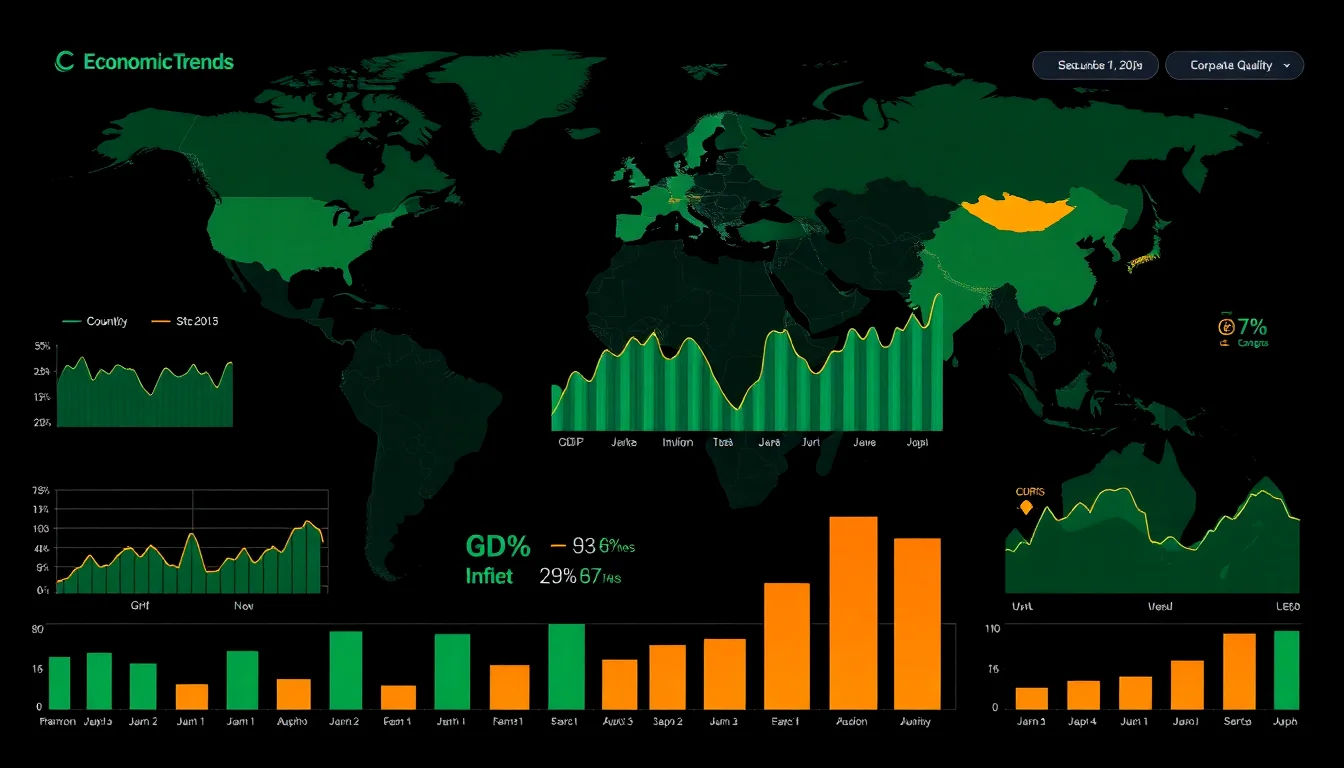
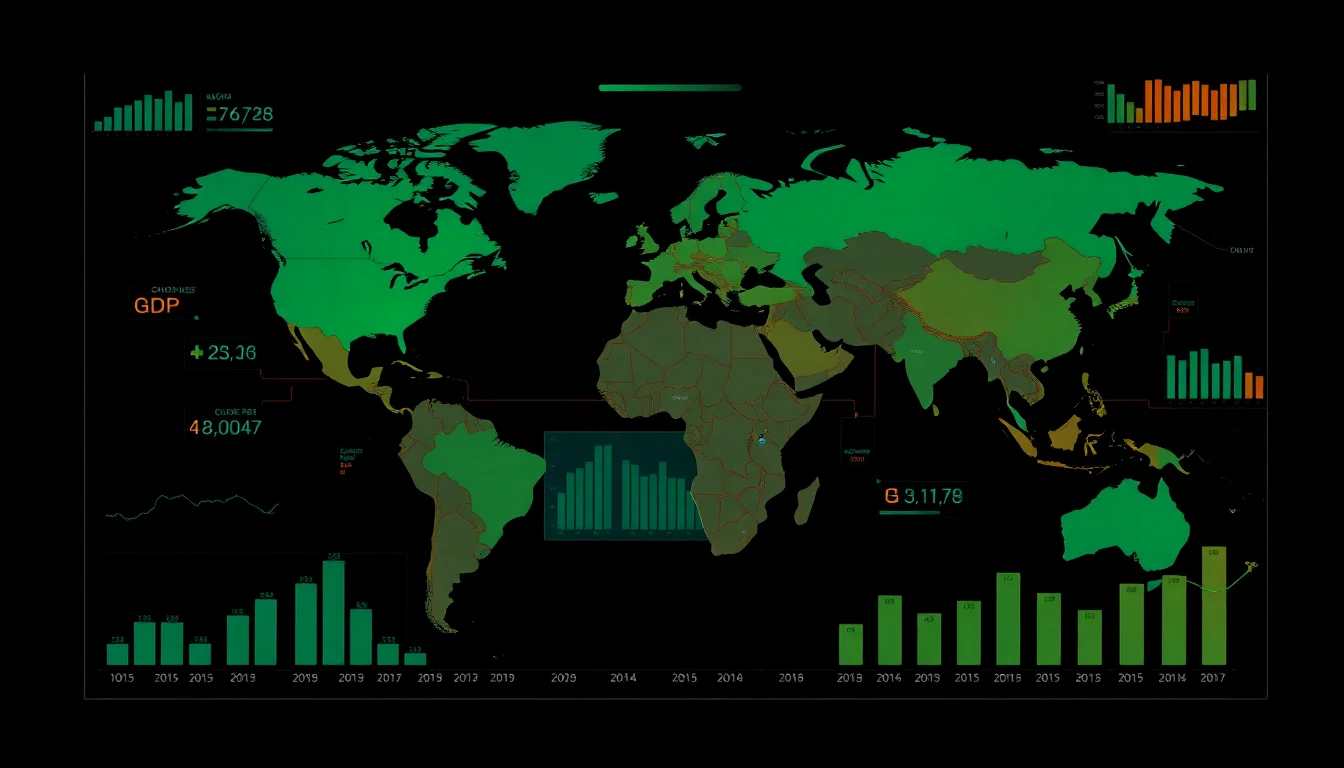
Chain Atarax 500 collates economic information sourced from central banks, statistical bureaus, and international trade organizations, presenting it through user-friendly dashboards. Monitor GDP growth, inflation trajectories, interest rate forecasts, and trade balance developments across major markets — including dedicated insights for France. Our Economic Momentum Score distills dozens of indicators into a single actionable metric. Users investigating what is Chain Atarax 500 trading find that this macroeconomic insight offers them a significant edge over traders relying solely on charts. Central bank policies rank among the most pivotal influences on asset pricing in all financial arenas; understanding the ramifications of rate decisions, quantitative easing measures, and guidance announcements is crucial for any serious trader. When central banks hike interest rates to fight inflation, fixed-income yields tend to advance while bond prices decline; likewise, equity valuations in interest-sensitive sectors such as real estate and utilities often diminish, leading to a stronger domestic currency against its counterparts. On the flip side, accommodative policy with lower rates and asset purchases often invigorates equity markets, compresses bond yields, and pressures the currency. The intricate dynamics between anticipated and actual policy shifts create substantial trading prospects, as markets often respond more dramatically to unexpected elements of announcements than to the stated rate levels. The nexus between inflation, interest rates, and financial market performance is extensively studied in economics, significantly impacting asset allocation choices. Moderate inflation generally bolsters equity markets as firms can pass on rising costs to consumers while asset values increase in nominal terms. However, when inflation surpasses acceptable thresholds and central banks enact stern tightening phases, the resultant spike in discount rates may prompt a substantial repricing across equities, bonds, and real estate all at once. Grasping the current inflationary landscape—whether it’s disinflationary, reflationary, or stagflationary—and its expected trends helps traders position their portfolios effectively rather than countering major structural movements. Global trade relationships significantly affect currency markets, with trade balances, tariff announcements, supply chain disruptions, and international capital flows all contributing to how exchange rates move. Nations that consistently enjoy trade surpluses typically see their currencies strengthen over time, whereas those that consistently run deficits often experience downward pressures on their currency. The interconnected fabric of today's global supply chains means that disturbances in one part of the world—whether due to geopolitical unrest, natural catastrophes, or health crises—can ripple through prices, shipping expenses, and overall manufacturing output globally. For currency traders, monitoring trade flow metrics, terms-of-trade indices, and cross-border investment trends is essential for grasping the fundamental factors that drive exchange rate shifts beyond transient technical variations. Economic surprise indicators that measure the deviation of actual economic releases from consensus expectations have proven useful for timing market entries and exits. When economic statistics consistently exceed forecasts, it implies that analysts' consensus is overly pessimistic and that the economy is stronger than projected, which usually supports risk assets and the domestic currency. Conversely, a series of negative surprises signals deteriorating conditions that may not yet be fully reflected in market pricing. These indices aggregate surprises across various indicators, including employment figures, manufacturing surveys, consumer confidence reports, and inflation statistics, offering a holistic view of economic momentum that is frequently more actionable than any solitary data point presented in isolation.

The Chain Atarax 500 hub consolidates all facets of contemporary trading into a seamless, user-friendly platform. Gain access to live price feeds, Chain Atarax 500 AI-derived signals, portfolio assessments, and automated risk management — all within a single interface. Whether engaging in day trading or pursuing long-term Chain Atarax 500 wealth preferences, our platform furnishes the framework necessary to implement your strategy with accuracy. Traders in France can access dedicated market insights, while the Chain Atarax 500 app France ensures the same capabilities on the go. This is the essence of how Chain Atarax 500 operates — advanced technology presented in a clear, approachable format. Integrating tools for charting, order management, risk assessment, news alerts, and performance analytics into one cohesive workspace alleviates the cognitive strain of juggling various applications, each with its unique login credentials and data formats. Research surrounding human-computer interaction consistently indicates that constant context switching incurs a heavy mental toll, undermining decision quality and prolonging response times. By bringing all essential trading functionalities together into a singular environment, traders can maintain their concentration on market analysis rather than grappling with scattered tools, leading to rapid and assured execution when opportunities arise. A unified interface guarantees that all components utilize the same real-time data feed, eliminating the synchronization lags and discrepancies that typically arise when traders depend on separate charting, execution, and portfolio monitoring applications. This structural advantage proves especially beneficial during fast-paced market events such as central bank announcements, earnings reports, or geopolitical shifts, where even a moment's delay between recognizing a signal and placing an order can mean the difference between capitalizing on a favorable entry and missing the move entirely. Analyzing cross-asset correlations becomes immensely more impactful when conducted in an integrated environment that can simultaneously assess price movements, volatility measures, and order flow across stocks, currencies, commodities, and digital assets. Traders can create custom correlation matrices, keep tabs on fluctuating correlation strengths in real-time, and receive alerts when historically linked instruments start to diverge—often indicating an impending market reversion or shift in dynamics. This multifaceted overview of intermarket relationships allows for the development of advanced hedging strategies and portfolio setups that would not be feasible using isolated tools. Continuous portfolio evaluation grants you ongoing insights into collective exposure, unrealized gains and losses, margin use, and risk indicators such as value-at-risk and highest drawdown. Rather than waiting for end-of-day summaries or manually calculating portfolio metrics, traders receive instant updates as each position fluctuates, enabling timely adjustments to uphold their targeted risk profile. Automated alerts can be configured to activate when certain thresholds are surpassed, such as a total portfolio loss exceeding a set percentage or an individual position exceeding its optimal allocation, ensuring proactive risk management rather than reactive measures.

The Moving Average Convergence Divergence indicator on the Chain Atarax 500 interface boasts AI-enhanced smoothing that reduces false signals by up to forty percent compared to traditional versions. The MACD indicator computes the difference between two exponential moving averages of distinct durations, commonly twelve and twenty-six periods, and visualizes this difference as a histogram alongside a signal line. Divergences between the MACD and the price trend signify potent signals, as they reflect waning momentum that frequently precedes trend reversals.
Chain Atarax 500 seamlessly draws Fibonacci levels on any chart, merging them with volume profile insights to spotlight the most critical support and resistance areas in the market. The Fibonacci retracement concept is built upon a numerical sequence uncovered by the mathematician Fibonacci, where each figure is derived from the conjunction of its two predecessors, yielding crucial ratios like 0.236, 0.382, 0.500, and 0.618—frequently encountered in both nature and financial calculations. In the trading sphere, these numbers pinpoint potential reversal points where buying or selling vigor may emerge amidst greater trends.
Our innovative Stochastic Indicator incorporates multi-timeframe divergence detection, signaling instances when price momentum diverges from the overarching trend — a compelling reversal indicator accessible within the Chain Atarax 500 trading platform. Analyzing divergence via oscillators has proven to be a potent technique for detecting trend reversals; this occurs when new price peaks or troughs aren't affirmed by the oscillator's movements. Typical bearish divergence, characterized by rising prices alongside declining oscillator highs, signifies weakening upward momentum. Conversely, hidden bullish divergence, where prices form higher lows while the oscillator registers lower lows, often hints at possible trend continuation.
The Chain Atarax 500 macro scanner relentlessly tracks central bank declarations, job reports, and GDP announcements from over thirty nations, including France. By aligning these signals with live asset prices, the platform identifies high-potential trading opportunities. Traders often inquire how does Chain Atarax 500 function — this macro lens is our competitive advantage. Our macroeconomic evaluation approach consists of monitoring leading, coincident, and trailing indicators to frame a holistic view of economic vitality and direction. Leading indicators like purchasing manager indices and consumer confidence surveys provide early insight into economic trends, while coincident indicators such as industrial output affirm the current landscape. Trailing indicators like unemployment rates and corporate profits confirm trends after they emerge.

Utilizing sophisticated deep-learning neural networks, the Chain Atarax 500 algorithm spots recurring chart patterns—from double-tops and head-and-shoulders to intricate harmonic structures—with over ninety-two percent historical accuracy. The Chain Atarax 500 instance applies these patterns live across all asset classes. The evolution of pattern recognition in financial markets has advanced remarkably from the era of manual chart analysis, with contemporary computer vision technologies capable of scrutinizing thousands of assets simultaneously across various timeframes. Deep learning models, trained on millions of historical chart visuals, can detect subtle deviations of classic patterns that human analysts might disregard, and they can evaluate the statistical reliability of each formation considering contextual elements like volume confirmation and proximity to significant support and resistance points.

Financial markets never slumber, and neither does Chain Atarax 500. Our framework functions continuously, scanning global exchanges and sending alerts the moment a high-confidence trading opportunity arises. Whether you access the Chain Atarax 500 application on your mobile device or via the desktop Chain Atarax 500 site, you receive immediate notifications. Ongoing market vigilance is especially beneficial for traders engaged in global markets across diverse time zones, from the opening bell in Tokyo to the midday session in London to the close in New York. With cryptocurrency markets buzzing twenty-four hours a day and forex markets operating five and a half days per week, automated surveillance guarantees that crucial opportunities and risk events are never overlooked, regardless of a trader's local time or personal commitments.

Craft well-rounded investment portfolios spanning various asset classes with AI-enhanced suggestions from the Chain Atarax 500 platform. Our models prioritize risk-adjusted yields, adjusting allocations as market dynamics shift — ideal for long-range Chain Atarax 500 wealth-building approaches. The principles of modern portfolio theory, conceived by Harry Markowitz, reveal that combining disparate assets with differing return patterns and low correlations can yield a portfolio that achieves superior risk-adjusted returns compared to holding any singular asset alone. Strategic allocation across stocks, fixed income, commodities, and alternative investments, such as cryptocurrencies, seeks to harness the benefits of diversification while targeting an acceptable risk level that aligns with each investor's timeline and financial goals.
Seize intraday momentum with Chain Atarax 500 trading signals specifically designed for scalping and day trading. Sub-millisecond execution guarantees timely entries and exits — this is how Chain Atarax 500 enables active traders to thrive. Scalping strategies aim to capture minimal profits from multiple trades throughout the trading day, usually maintaining positions for a brief period of seconds to minutes. Successful scalpers need exceptionally tight spreads, rapid execution capabilities, and well-defined exit strategies since even minor slippage or delays can turn a winning scalping method into a losing venture.
Follow prevailing market trends with Chain Atarax 500 momentum indicators that unite price acceleration, volume growth, and order flow discrepancies into one comprehensive score. Experiences shared by momentum traders on Chain Atarax 500 trading validate the precision of these signals. The foundations of momentum investing rest on the well-established tendency for recently successful assets to perform well in the near term, with the opposite true for laggards. Extensive academic studies across decades and regions have substantiated this momentum advantage, positioning it alongside value and size factors as one of the most reliable anomalies in the financial sector.
Steer through choppy market conditions with Chain Atarax 500 volatility tools that dynamically modulate position sizes and stop-loss limits in real-time. This is precisely why Chain Atarax 500 remains secure even amidst extreme market fluctuations. Volatility management stands as a cornerstone of professional trading, incorporating strategies like adaptive position sizing that diminishes exposure during tempestuous periods and elevates it when markets are steadier. The VIX index, often referred to as the fear gauge, along with implied volatility derived from options pricing, furnish forward-looking indicators of expected market unrest that guide proactive risk management strategies.
The Chain Atarax 500 financial interface was crafted to empower individual traders with the same analytical advantages that institutional hedge funds leverage. Super-fast order processing, co-located servers in Toronto, New York, and London, in addition to a dedicated support squad available non-stop—every aspect of the Chain Atarax 500 experience showcases our dedication to excellence. Head over to the Chain Atarax 500 official portal to discover why our community in France, and beyond, keeps flourishing. Is Chain Atarax 500 trustworthy? Our transparent track record, compliant partnerships, and a plethora of favorable Chain Atarax 500 testimonials offer undeniable assurance. Co-located trading infrastructure provides a tangible edge in order execution quality by minimizing the physical distance between trading servers and exchange matching engines. When servers reside within the same data center as the exchange, network latency shrinks to microseconds rather than the milliseconds that characterize connections from distant locations. This proximity advantage guarantees that orders reach the exchange quicker, diminishing the risk of price slippage between the moment a trading decision is made and when the order is executed. For active traders executing numerous trades daily, even slight enhancements in fulfillment prices accumulate into substantial performance shifts over time, turning infrastructure quality into a real competitive asset rather than just a technical detail. Execution speed becomes paramount during periods of heightened market volatility, such as around significant economic data releases or unexpected geopolitical developments. In these critical moments, prices can gap significantly within fractions of a second, and traders on slower connections may find their orders executed at much worse rates than intended or completely rejected due to stale quotes. Resilient infrastructure with redundant connections, failover systems, and load-balanced order routing guarantees consistent execution quality, regardless of market fluctuations, providing the reliability that serious traders demand when deploying their funds. A specialized support team combines extensive knowledge in financial markets with technical prowess, enriching the overall trading experience by swiftly addressing issues and offering guidance that transcends basic assistance. Whether a trader seeks help in setting risk parameters, decoding a specific analytical feature, or navigating the intricacies of trading across various asset classes and time zones, informed support personnel can deliver prompt, pertinent advice that enhances users' experiences. This human support layer complements the platform's automated functionalities, ensuring traders are never left navigating intricate situations on their own. Our community-driven development keeps the platform evolving, aligned with the genuine needs and preferences of its users. Regular feedback surveys, feature request discussions, and beta-testing initiatives grant traders a direct line into the product development strategy, yielding improvements that solve real-world challenges rather than hypothetical scenarios. This collaborative development approach fosters user ownership and generates a positive feedback cycle, continuously enhancing the platform based on the collective intelligence and experiences of its trading community.
Become a Part of Quantum Ai Today »

At Chain Atarax 500, we are firm believers in an approach that harmonizes the rapid capabilities and pattern recognition of AI with the nuanced insights of seasoned human analysts. Who is Chain Atarax 500 behind the curtain? Our dedicated team comprises ex-institutional traders, quantitative analysts, and macroeconomic strategists. The Chain Atarax 500 AI produces data-backed signals that are consistently enhanced by this cadre of experts. The Chain Atarax 500 trading CEO and leadership ensure that technology complements human insight, yielding recommendations that surpass what either machines or people could offer alone. Despite the extraordinary technological strides made in algorithmic trading in recent decades, fully automated systems come with inherent limitations that highlight the critical role of human discretion in financial arenas. Algorithms shine at navigating structured datasets, spotting statistical trends, and executing established protocols with complete consistency, yet they struggle to accommodate unprecedented events that fall beyond their training — scenarios known as black swan events, such as political upheavals, pandemic-induced market disruptions, or abrupt regulatory shifts that can transform entire sectors in no time. In such instances, expert analysts can draw on contextual knowledge, historical parallels, and qualitative judgment to navigate rapidly shifting circumstances and adapt strategies as needed, offering a vital layer of flexibility that mere automation cannot replicate. Human supervision remains indispensable in financial markets for reasons extending beyond technological constraints. Ethical concerns, regulatory adherence, and fiduciary duties necessitate human accountability for trading judgments, especially in scenarios involving substantial capital or potentially impacting other market participants. A human risk manager can exercise discretion in extraordinary circumstances, opting to override automated systems upon noticing unusual behavior or when market dynamics suggest the model’s premises have shifted. This kind of judgment-based intervention has thwarted countless potential crises throughout algorithmic trading history, including scenarios where feedback loops between automated systems threatened to escalate market volatility into cascading failures. The hybrid methodology, where human acumen and machine intelligence collaborate, has shown superior performance through numerous documented examples in the financial landscape. Quantitative hedge funds such as Two Sigma and Bridgewater Associates have long benefited from teams of researchers who formulate, oversee, and refine algorithmic strategies, merging the speed and scalability of automation with the creativity and adaptability of human intellect. Within portfolio construction, human analysts furnish directional guidance and thematic insights while algorithms handle tactical execution and risk calibration. In research, humans generate hypotheses grounded in domain expertise while machines perform extensive backtesting and statistical verification. This cooperative model capitalizes on the relative strengths of both human and artificial intelligence, resulting in outcomes that consistently surpass what either could achieve alone. The future of financial decision-making lies in augmented intelligence — systems engineered to elevate human capabilities without eclipsing them. This vision extends beyond basic automation to craft interactive settings where traders can interrogate AI models, comprehend their reasoning, adjust their parameters, and incorporate qualitative insights that machines cannot grasp. Natural language interfaces enable traders to query portfolio risks using everyday language and receive contextually relevant answers. Visualization tools transform complex, multidimensional data into user-friendly graphical formats that leverage human pattern recognition skills. The ambition is a seamless synergy where technology manages the computationally heavy aspects of market analysis while humans provide the strategic outlook, ethical discernment, and innovative problem-solving that characterize truly distinguished investment management.

Understand market psychology to forecast pivotal moments
The Chain Atarax 500 sentiment engine processes insights from social media, financial headlines, and on-chain data, crafting a composite mood index for every asset in its repertoire. When positive sentiment surges above the average, the system indicates overbought scenarios; conversely, during periods of fear, it illuminates contrarian buying prospects. Conversations in the Chain Atarax 500 forum and Chain Atarax 500 reddit frequently identify this sentiment tool as an invaluable resource. By quantifying emotions that often steer irrational market behaviors, Chain Atarax 500 AI converts instinctual feelings into measurable, actionable signals. Sophisticated natural language processing technologies form the core of contemporary financial sentiment analysis, utilizing transformer-based models capable of grasping context, irony, and sector-specific vocabulary with remarkable precision. These systems are trained on an extensive array of financial literature, including analysts' reports, earnings call transcripts, regulatory documents, and social media commentary, enabling them to differentiate between genuinely optimistic insights and ironic or misleading narratives. Named entity recognition pinpoints specific assets or sectors under discussion, while aspect-based sentiment analysis assesses whether opinions relate to price expectations, fundamental integrity, management efficacy, or wider economic conditions. The sophistication of these language models is such that they can detect subtleties in tone over successive statements, identifying when an optimistic analyst begins to temper their language or when collective enthusiasm for a given asset escalates to euphoric levels. Social platforms have emerged as significant forecasters for market shifts, especially in realms influenced by retail investors and cryptocurrencies. Studies show that spikes in social media engagement and shifts in collective sentiment often foreshadow substantial price movements, sometimes hours or days in advance. Websites like Twitter, Reddit, and niche financial forums deliver a relentless stream of real-time opinion data that, when appropriately filtered and scrutinized, can suggest emerging trends, catalysts for breakthroughs, or brewing market panic. The challenge resides in differentiating genuine signals from noise, automated drivel, and organized misinformation efforts, necessitating the implementation of advanced filtering techniques and anomaly detection measures. Behavioral finance underpins the rationale for why sentiment analytics serve as a trading tool, leveraging decades of research on cognitive biases and emotional tendencies that systematically sway investor actions. Prospect theory, developed by Daniel Kahneman and Amos Tversky, illustrates that individuals perceive losses more acutely than equivalent gains, leading to skewed market reactions to both positive and negative news. Herd behavior prompts investors to follow the crowd over independent judgment, igniting market movements beyond fundamental justification. The disposition effect means traders may prematurely liquidate gaining assets while clinging to losers for too long. By evaluating these behavioral patterns collectively through sentiment information, trading systems can predict when crowd psychology is poised to drive prices to extremes that will likely revert. A notable hurdle in sentiment evaluation is the challenge of filtering out noise — distinguishing valuable signals from the immense sea of irrelevant, deceitful, or redundant information prevalent in the social media and news landscape. Advanced denoising methodologies encompass credibility scoring, which increases weight for verified commentators; temporal decay weighting, which prioritizes recent sentiments over older ones; and anomaly detection systems to recognize and eliminate coordinated bot activity or spam-fueled sentiment manipulation attempts. Cross-referencing sentiment indicators with quantitative data, such as options activity, volume analysis, and order book discrepancies, adds an extra layer of validation, ensuring sentiment-driven signals are substantiated by observable market behaviors before executing trades.
No concealed fees or monthly subscriptions — harness the complete power of the Chain Atarax 500 platform without any charges. No Chain Atarax 500 software scam — we pride ourselves on full pricing transparency. Transparency regarding fees is a hallmark of reliable financial services, as hidden charges such as inactivity fees, withdrawal fees, and excessive spreads can greatly diminish returns over time.
Chain Atarax 500 sign up takes less than two minutes. Start tapping into AI-powered trading signals right after completing your Chain Atarax 500 registration. A smooth onboarding experience minimizes the gap between a trader's decision to test a platform and their ability to utilize its features, which is especially vital for timely market opportunities.
Engage with webinars, video tutorials, and strategy guides. Discover how Chain Atarax 500 operates and enhance your trading acumen with our extensive learning resources. Ongoing trading education is paramount, as financial markets are perpetually evolving, with new tools, regulations, and market shifts frequently emerging that necessitate traders to refresh their knowledge and adjust their strategies.
Expert support is available round-the-clock via live chat, email, and phone. Any Chain Atarax 500 complaints will be resolved within twenty-four hours. Quality support in the trading industry demands staff who grasp both the technical nuances of the platform and the essentials of financial markets, equipping them to offer meaningful assistance rather than mere scripted responses.
Practice without financial risk using a fully operational Chain Atarax 500 demo account filled with virtual funds. No deposit is required to explore. Demo accounts are essential for learning, as they allow traders to develop familiarity with the platform, test varying strategy inputs, and build confidence prior to entering the live market with actual funds on the line.
Trade effortlessly across computer, tablet, and mobile using the Chain Atarax 500 app. Download Chain Atarax 500 app and align your portfolio seamlessly. Cross-platform compatibility ensures that traders can easily switch between their main workstations and mobile devices throughout the day, keeping complete awareness of their portfolio and prevailing market conditions regardless of their location.

Every recommendation from the Chain Atarax 500 investment software is backed by a crystal-clear explanation. Our AI system clarifies precisely why each specific opportunity is highlighted — detailing the technical indicators identified, sentiment shifts factored in, and macroeconomic signals that converged. Is Chain Atarax 500 effective? The results are self-evident: verified performance data is accessible to every user with an account. This transparent and straightforward method empowers traders to learn while they engage, transforming intricate market data into actionable insights. Chain Atarax 500 is it trustworthy? Our history of successful outcomes and an expanding community of pleased users validate this. Explainable AI has emerged as a foundational aspect of responsible financial technology, driven by the understanding that both traders and regulators need clarity on the foundations of automated systems' recommendations. Unlike obscure black-box models that produce outputs without associated reasoning, explainable frameworks deconstruct their decision-making into understandable segments, such as the weight attributed to technical indicators, a sentiment assessment derived from recent news, and the macroeconomic backdrop influencing the whole evaluation. This transparency fosters trust among users and empowers them to sharpen their own analytical prowess by investigating the logic behind each signal, effectively turning every trading cue into a chance to learn. Trust is the cornerstone of any successful interaction between users and automated systems, and transparency is the pathway through which that trust is built and preserved. When users can clearly see the data inputs that led to a suggestion and how those inputs were weighted, they gain the confidence to act on signals promptly instead of second-guessing the system during critical scenarios. Such confidence is paramount during periods of market turmoil when emotions are heightened, and the urge to second-guess systematic signals can be the strongest. A clear framework serves as a beacon of objectivity that helps traders stay the course, exhibiting discipline and steadiness in their strategies. Striking a balance between model complexity and transparency remains a key challenge in financial machine learning, as more complex architectures like deep learning models often surpass traditional models in terms of prediction accuracy but at the cost of lower interpretability. More straightforward models, such as linear regression or decision trees, are naturally easier to understand but may overlook the non-linear dynamics present in financial ecosystems. Today's innovations address this trade-off by employing techniques like SHAP values, LIME explanations, and attention mechanism visuals, delivering insights into the workings of complex models while preserving their predictive capacity. These interpretability methods allow traders to comprehend not merely what the model posits, but which attributes influence the prediction and how variations in input factors can change the output. As regulatory authorities globally push for algorithmic systems to be fair, transparent, and accountable, enterprises invested in explainability infrastructure today position themselves advantageously for the changing regulatory future.
Every piece of information sent to and from the Chain Atarax 500 infrastructure enjoys the protection of AES-256 encryption—the same level employed by government entities and financial institutions globally. This is a major factor in why Chain Atarax 500 is regarded as secure for users across France. AES-256 is a symmetric encryption standard that utilizes a robust 256-bit key length, making it practically impossible to breach through brute force attacks with today's technology. This encryption format is endorsed by the National Institute of Standards and Technology and is sanctioned for safeguarding classified information up to the highest security classification.
Each Chain Atarax 500 access requires an additional verification code sent via an authenticator app or SMS. This guarantees that even if account details are exposed, unauthorized access remains blocked. The Chain Atarax 500 trading infrastructure has never been compromised. Security professionals advocate for time-sensitive, one-time password authenticator apps over SMS verification, as they are immune to SIM-swapping threats and phone number interception. Best practices involve using a specialized hardware security key for valuable accounts and activating biometric authentication for additional ease.
Third-party cybersecurity firms perform quarterly penetration tests and code reviews of the Chain Atarax 500 framework. Any vulnerabilities detected are addressed within forty-eight hours, which is why reviews of the Chain Atarax 500 interface frequently commend our security practices. Expert security assessments employ established protocols such as OWASP for web application checks and NIST for total infrastructure evaluation. These assessments imitate real-world attack scenarios like injection, cross-site scripting, privilege escalation, and distributed denial-of-service attacks to identify and fix vulnerabilities before they can be exploited.
"The Chain Atarax 500 platform revolutionized my trading strategy. The AI-generated signals are strikingly precise, and the risk management options instill confidence in every trade. After perusing Chain Atarax 500 reviews online, I opted to give it a shot — it's the wisest decision I've ever made."
"I had my doubts initially — I scoured for Chain Atarax 500 scam or legit discussions before registering. Six months down the line, my Chain Atarax 500 trading experiences have been overwhelmingly positive. The user interface is user-friendly, and the support team responds quickly."
"As a newcomer, I found the Chain Atarax 500 demo feature indispensable. I familiarized myself with the platform before committing real funds. The Chain Atarax 500 app allows me to oversee trades even when I'm on the go. Highly recommended for individuals embarking on their Chain Atarax 500 investment adventure."
"The sentiment analysis feature on Chain Atarax 500 provides an advantage I never had before; I can sense market shifts in real-time. Is Chain Atarax 500 reliable? Absolutely — I've monitored every signal for three months, and the accuracy is truly impressive."
"The multi-asset functionality of the Chain Atarax 500 trading system is superb. I can manage cryptocurrencies, forex, and stocks all from a single interface. When people ask me does Chain Atarax 500 work, I recommend they try the demo themselves."
"Super-fast execution and steady uptime make Chain Atarax 500 the top platform I've experienced. I was initially concerned about rumors of a Chain Atarax 500 fake online, but the actual Chain Atarax 500 experiences tell a different story. The economic trend analyzer is fantastic."
Embark on your journey in three straightforward steps — Chain Atarax 500 enrollment today
Fill in the quick Chain Atarax 500 sign up form with your name, email address, and phone number. Navigate to the Chain Atarax 500 official website and enjoy swift account verification—usually within two minutes. The Know Your Customer verification process is a regulatory measure aimed at thwarting identity theft, money laundering, and financial fraud. While this step may add a little time to registration, it offers vital protection for both the platform and its users, ensuring only verified individuals can access trading features and financial activities.
Define your risk preferences, select desired asset types, and choose from AI-driven tactics within the Chain Atarax 500 trading environment. Start with the Chain Atarax 500 demo or make a Chain Atarax 500 $250 initial investment to commence live trading. Best practices for strategy setup include establishing your maximum acceptable loss per transaction, identifying your target risk-reward ratio, determining the maximum number of simultaneous open positions, and selecting asset types that align with your knowledge and experience. Taking the time to carefully configure these elements prior to your first trade is a hallmark of the disciplined foundation that seasoned traders consider essential for sustained success.
Start receiving real-time AI-driven insights from the Chain Atarax 500 trading framework, execute trades with a single click, and oversee your portfolio via the dashboard or Chain Atarax 500 application. Profit with Chain Atarax 500 by following data-based insights. The signal-driven trading scheme entails receiving precise trade suggestions featuring entry price, target price, and stop-loss levels, allowing traders to assess the risk-reward ratio before committing funds. The most potent signal-following method combines the analytical might of the signal provider with the trader's own insights on market dynamics, position sizing, and timing.
The Chain Atarax 500 AI engine processes millions of market data inputs every minute, uncovering emerging trends and micro-patterns that are not visible to the naked eye. Obtain accurate buy-and-sell signals supported by neural networks trained on extensive historical Chain Atarax 500 asset price data. Our Chain Atarax 500 algorithm operates without rest — constantly observing markets, so you don't have to. Cutting-edge analytics engines harness convolutional neural networks for detecting patterns in price movements, sequential architectures for time series predictions, and transformer models that handle diverse data types including text, numerical inputs, and order flow in real-time. These sophisticated model layers detect intricate relationships between a myriad of input variables that traditional statistical approaches cannot capture.
Obtain Chain Atarax 500 application on iOS or Android to oversee your portfolio from any locale within France. The Chain Atarax 500 trading application offers the same elite analytics as the desktop solution with one-tap trade execution. Chain Atarax 500 app installation is free and takes less than a minute—search for Chain Atarax 500 in your device's app marketplace. Mobile trading has transformed how retail investors interact with financial marketplaces, facilitating real-time management of portfolios from virtually anywhere with cellular access. Studies suggest that mobile traders benefit from quicker responses to urgent news and market-relevant updates, as push notifications relay alerts directly to their devices without being tethered to a desktop.
Safeguard your investments with the Chain Atarax 500 trading software array of automated risk-mitigation tools. Customize stop-loss settings, define position size limits, and initiate trailing stops to secure profits. The Chain Atarax 500 algorithm adjusts risk parameters dynamically based on current market volatility, ensuring your investments stay within your comfort zone. Sound risk management is widely acknowledged as the cornerstone of sustained trading success, often overshadowing the relevance of entry precision. Professional risk frameworks encompass multiple protection layers, including trade-specific stop losses, daily loss ceilings, maximum portfolio drawdown limitations, and correlation-aware position sizing that avoids overexposure to similar assets.
Access cryptocurrencies, foreign exchange pairs, commodities, and stock indices from a unified Chain Atarax 500 interface. Effortless cross-asset execution allows you to diversify trading strategies, hedge positions, and streamline your Chain Atarax 500 portfolio across diverse markets concurrently. Multi-asset trading interfaces equip traders to think at the portfolio level instead of isolated instruments, providing a complete view of exposure across asset classes within a single risk management dashboard. Cross-margining features can enhance capital efficiency by acknowledging offsetting positions across correlated instruments, freeing up margin for further opportunities.
Venturing into the world of trading? The Chain Atarax 500 demo account empowers you to explore with simulated funds before diving into real investments. Experience the full spectrum of the Chain Atarax 500 financial interface without putting your hard-earned money at stake. No need for a credit card—just complete your Chain Atarax 500 sign-up and get instant access to your demo. These demo accounts act as priceless educational platforms, enabling traders to refine and test their tactics in a safe space that accurately reflects actual market dynamics. Experts in finance encourage newcomers to spend a solid few weeks honing their skills on demo accounts before stepping into live trading, using this period to gain confidence with order types, risk mitigation tools, and the psychological aspects of watching investments fluctuate in real time.
Replicate the strategies of elite traders with just a click. The Chain Atarax 500 algorithm evaluates traders based on authenticated performance, risk assessments, and past downturns, providing you genuine insight. Check the latest Chain Atarax 500 platform critiques to uncover which copy-trading methods users applaud the most. Social trading networks have opened doors to professional-level strategies, allowing novices to automatically follow the moves of verified high achievers. This collaborative approach nurtures a fair system where talented traders earn followers and performance bonuses, while newer traders can observe and learn from the decision-making styles and risk management techniques of accomplished peers live.
Key strategies for safeguarding your investments
In the world of trading, the mastery of risk management is hailed as a pivotal factor in achieving lasting success, embraced by seasoned traders and investment managers alike. While novices often chase after lucrative entry points, the savvy veteran realizes that even the most effective strategy can falter without a sturdy risk management plan in place. The core aim of risk management is to protect against scenarios where a single trade, a string of losses, or sudden market fluctuations could threaten the trader's continued engagement with the market. This safeguarding of resources forms the bedrock upon which all other elements of trading triumph are established—because a trader who depletes their funds loses their capacity to exploit forthcoming prospects.
Position sizing stands as perhaps the most vital aspect of any risk management protocol, dictating the capital allocation for each trade. A prevalent strategy involves the fixed percentage risk model, where traders commit a set fraction of their overall balance on each trade—usually between one and three percent for those taking a cautious approach. For instance, should a trader operate with an account of ten thousand dollars and opt for a two percent risk per trade, they would only expose themselves to a maximum of two hundred dollars on any trade. The position size can subsequently be determined by dividing this financial risk by the gap between entry price and the stop-loss point. This approach ensures that position sizes organically diminish following losses and increase after wins, creating a natural buffer for capital protection during downturns and capital accumulation during prosperous stretches.
Stop-loss management is a fundamental practice that determines the maximum allowable loss on every trade prior to closing the position. There exist multiple methods for setting stops, such as fixed-distance stops, which rely on a set number of points or a percentage, volatility-adjusted stops that respond to fluctuating market dynamics using indicators like the Average True Range, and structural stops positioned beyond crucial technical thresholds like recent peaks or troughs. Trailing stops, which adjust as the trade progresses in profit, can secure gains while permitting successful positions the freedom to mature. The essential tenet is that each trade must feature a pre-established exit point for potential losses before it is executed, thereby eradicating the hazardous impulse to cling to losing positions in hope of recovery.
Hedging at the portfolio level involves creating opposing positions across correlated assets to mitigate exposure to particular risk elements. For illustration, a trader bullish on equities might buffer against general market downturns by acquiring put options on a significant index or sustaining a stake in assets likely to thrive during equity sell-offs, such as government bonds or gold. Cross-asset hedging may include pairs trading, where a long stance in one asset is counterbalanced by a short position in a related asset, allowing for the isolation of comparative performance while neutralizing broader market exposure. Proficient hedging requires a nuanced understanding of the correlation dynamics among assets and how these might fluctuate during times of market stress.
Risk-reward evaluation is the method of assessing the potential upside of a trade against its possible downside prior to entering the position. Professional traders typically seek a minimum risk-reward ratio of one to two, which implies the anticipated profit sought should be at least double the distance to the stop-loss. This strategy ensures that even if a trader's victory rate dips below fifty percent, the approach can remain profitable over time, as the gains from winning trades outweigh the losses from losing ones. Before committing to a trade, traders must pinpoint their entry point, stop-loss level, and profit target, then ascertain whether the resultant risk-reward ratio aligns with their established criteria.
The mental components of risk management are frequently undervalued yet have a significant influence on whether a trader adheres consistently to their risk management principles amid the pressures of the market. The fear of missing opportunities can compel traders to make impulsive entries or take excessively large positions, while the distress of realized losses may result in the perilous habit of widening stop losses or abandoning them entirely. Attempting to recover losses through aggressive trading, known as revenge trading, stands out as one of the most harmful behavioral tendencies in trading. Cultivating emotional resilience necessitates practice, self-awareness, and often benefits from a structured trading plan that alleviates the need for on-the-spot emotional decisions. Keeping a detailed trading journal that not only captures the technical elements of each trade but also records emotional states and thought processes serves as a powerful tool for fostering the psychological fortitude necessary for steady trading achievements.
Establish your trade size based on a set percentage of your total account balance—typically in the range of one to three percent per transaction. Calculate your financial risk by dividing your dollar exposure by the distance between your entry point and stop-loss to ascertain the number of units to trade. This approach guarantees that your risk remains proportionate to your account size, naturally reducing your exposure during downturns while increasing potential positions during profitable periods. Always base your position size on potential loss rather than desired earnings.
Select a stop-loss strategy that aligns with your trading style and the unique properties of the instruments you use. Volatility-based stops employing the Average True Range indicator adjust to prevailing market conditions, expanding during turbulent times and constricting during calmer periods. Technical stops set beyond significant support or resistance levels respect market structure. Time-based stops exit trades that fail to meet their target within a defined timeframe. Regardless of the method you select, ensure you place your stop-loss prior to entering the trade and avoid moving it away from your initial entry point.
Broaden your diversification across various dimensions: asset types like equities, forex, commodities, and digital currencies; global regions such as North America, Europe, and Asia; trading timeframes from intraday to multi-week; and strategy types that incorporate trend-following, mean-reversion, and event-driven tactics. Correlation analysis should inform your diversification strategy, as holding multiple positions in highly correlated assets may provide limited genuine diversification benefits. Regularly assessing and rebalancing your portfolio allocations is essential to sustained adherence to your target risk profile as market conditions shift.
Before entering into any trade, calculate the risk-reward ratio by comparing the distance to your profit goal with the gap to your stop-loss. Insist on a minimum ratio of one to two, meaning for every dollar at risk, expect to secure at least two dollars if the trade hits its goal. This mathematical advantage guarantees long-term success even when winning rates are below fifty percent. Resist the allure of trades that present unfavorable risk-reward ratios solely based on an appealing setup or market activity pressure.
Create a comprehensive trading plan that details your entry conditions, exit strategies, position sizing methods, and daily loss limits before you commence trading each session. Sticking to a predetermined plan reduces the necessity for emotional decision-making under duress. Introduce a mandatory pause after a set number of consecutive setbacks, allowing yourself a moment away from the screen to regain clarity. Maintain a trading journal documenting your emotional state alongside trade specifics, aiding in the identification of links between your mental state and trading performance over time.
Drawdowns are an unavoidable aspect of trading, and effective management is vital for sustained success and survival. Reduce your position sizes during these periods to mitigate capital erosion and retain your capacity for recovery. Remember that bouncing back from a drawdown necessitates a proportionately larger gain—a fifty percent loss requires a one hundred percent gain to break even. Set a maximum drawdown limit, commonly ranging from fifteen to twenty-five percent of your account, beyond which you should pause active trading to reassess your strategy, conduct extra backtesting, and ensure your system is still performing within anticipated statistical ranges.
Establish a solid grounding in financial markets
Financial literacy serves as the foundation for reliable trading success, equipping traders with essential theoretical concepts and practical skills to navigate the intricate and evolving markets. Although contemporary technology facilitates unparalleled access to financial markets and trade execution, this ease can be a double-edged sword for those who participate without adequate preparation. Research consistently indicates that traders dedicating time to education—gaining insights into market functionalities, technical and fundamental analysis, risk management, and trading psychology—experience markedly improved results compared to those who rely solely on tips, signals, or gut feelings. A well-structured learning approach lays the groundwork necessary for traders to independently evaluate opportunities, adjust to shifting market landscapes, and maintain discipline through challenging times.
Aspiring traders should kickstart their education with fundamental topics, such as understanding how financial markets function, familiarizing themselves with various financial instruments available for trading, grasping basic principles of technical analysis like support, resistance, and trend identification, alongside foundational risk management concepts. As they progress, they can tackle more advanced subjects like intricate charting methods, multi-timeframe analysis, and an introduction to fundamental analysis and macroeconomic variables, ultimately culminating in crafting an individual trading plan. This sequential learning trajectory ensures that each new topic is rooted in a solid base of previously acquired knowledge, avoiding the common trap of attempting complex strategies without fully grasping their underlying principles.
Veteran traders also stand to gain from continuous learning that keeps them abreast of changing market conditions, new analytical approaches, and emerging asset classes. Advanced subjects include methods of quantitative analysis, options strategies for hedging and generating income, inter-market analysis that explores the relationships between varying asset types, and portfolio construction strategies rooted in modern portfolio theory. The rapidly changing landscape of financial markets—shaped by technological advances, regulatory shifts, and evolving global economic dynamics—necessitates that even experienced professionals regularly update their knowledge to retain a competitive advantage. The most effective traders embody a mindset of continuous growth, perceiving every market experience as an opportunity to enhance their understanding.
Diverse learning modalities cater to different requirements and styles. Structured online courses deliver methodical, curriculum-driven education that builds knowledge progressively. Live webinars present an opportunity to learn from experienced professionals in real-time and pose questions. Video guides showcase practical techniques such as chart analysis, order placement, and navigating platforms. Written resources and articles furnish comprehensive reference materials that can be revisited when needed. Interactive simulations and demo accounts enable learners to apply their theoretical knowledge in a no-risk environment. The most effective educational strategy integrates multiple formats to reinforce learning through repetition and varied presentation.
In addition to technical expertise, financial literacy encompasses a broader grasp of personal finance management, covering budgeting, the interplay between risk and return, the value of diversification, the time value of money, and how fees and taxes influence investment results. This all-encompassing view assists traders in making informed decisions regarding how trading fits into their overall financial strategies, the capital allocation for trading ventures, and setting realistic expectations for returns. A trader possessing a comprehensive financial perspective is more equipped to make rational choices surrounding position sizing, leverage utilization, and risk tolerance than someone who engages with trading independent of their larger financial context.
Grasp the landscape of international financial arenas
The worldwide financial markets constitute a sprawling, interlinked web where trillions of dollars are transacted every single day across myriad exchanges, electronic platforms, and over-the-counter trading arenas, covering every continent and time zone. These markets play vital economic roles such as price discovery—where buyers and sellers interact to establish fair asset values; capital allocation—steering savings toward fruitful investment ventures; risk transfer—allowing hedgers to offload unwanted risks onto willing speculators; and liquidity provision—where participants ensure that assets can be efficiently traded. Gaining an understanding of how these markets operate, their regulatory frameworks, and their interrelations is essential for any aspiring trader.
The interconnectedness of various asset classes forms a sophisticated mosaic of relationships that astute traders diligently monitor. When central banks elevate interest rates, bond prices tend to dip, equity valuations might feel pressure from heightened discount rates, domestic currencies often strengthen, and gold prices could fall as the cost of holding non-yielding assets rises. Fluctuations in oil prices influence energy stocks, inflationary expectations, and the currencies of oil-exporting nations. Changes in market sentiment can shift capital between safe haven assets like government bonds and the Swiss franc, and riskier investments such as emerging market stocks and high-yield bonds. Recognizing these inter-asset dynamics empowers traders to anticipate second-order consequences and strategically adjust their portfolios.
Trading sessions globally initiate a continuous cycle commencing with the Asian session in cities like Tokyo, Sydney, and Hong Kong, transitioning through the European session focused in London and Frankfurt, and wrapping up with the North American session in New York, Chicago, and Toronto. The overlap between these sessions—especially the London-New York overlap—results in peak trading volumes and narrowest spreads, rendering these times optimal for active traders. The cryptocurrency market, operating round-the-clock, creates a distinctive environment where significant price shifts can emerge at any moment. Comprehending the nuances of each trading session, including general volatility trends, key market players, and critical economic announcements, aids traders in refining their timing and strategy choice.
Technological advancements have revolutionized financial markets profoundly in the past thirty years, replacing traditional trading floors with sophisticated electronic systems, allowing individual traders access to markets once reserved for institutions, and birthing entirely new asset classes such as cryptocurrencies and tokenized securities. A substantial proportion of trading volume on major exchanges stems from algorithmic trading, with high-frequency trading firms offering liquidity through constant market-making activities. Cloud computing has facilitated complex quantitative analyses that previously necessitated costly proprietary setups. Application programming interfaces link trading interfaces directly to exchange order books, enabling rapid strategy execution with minimal delay. These technological innovations have democratized market entry while simultaneously amplifying market speed and intricacy.
The regulatory landscape governing financial marketplaces varies significantly across different jurisdictions yet shares the common goal of safeguarding investors, ensuring fair and orderly trades, and mitigating systemic risk. Prominent regulatory entities comprise the Securities and Exchange Commission and the Commodity Futures Trading Commission in the United States, the Financial Conduct Authority in the United Kingdom, the European Securities and Markets Authority within the European Union, and various provincial securities commissions across regions. In the realm of cryptocurrencies, regulations are still taking shape, with approaches ranging from detailed frameworks to minimal oversight, contingent upon the local regulatory environment. Traders should familiarize themselves with the governing rules that impact their trade activities, including broker registration requirements, margin constraints, reporting demands, and investor protection protocols relevant to their accounts.
The cryptocurrency landscape has rapidly evolved as a significant asset class since Bitcoin's inception in 2009, now comprising thousands of digital currencies traded across countless platforms worldwide. In contrast to conventional markets, crypto exchanges function continuously without downtime, crafting a relentless global marketplace available around the clock. Though Bitcoin and Ethereum maintain their status as the leading assets by market capitalization, an array of alternative cryptocurrencies serves diverse purposes, ranging from decentralized finance to digital collectibles. The crypto market exhibits heightened volatility compared to traditional assets, experiencing lighter regulatory scrutiny in many regions, alongside unique influencing factors such as halving events, network enhancements, and on-chain metrics that drive price behavior.
The foreign exchange market stands as the largest and most fluid financial market globally, boasting an average daily turnover surpassing six trillion dollars. Forex trading involves the conversion of one currency into another, with major pairs such as EUR/USD, GBP/USD, and USD/JPY accounting for the majority of trading activity. It operates continuously from Sunday evening to Friday, covering three principal trading sessions concentrated in Asia, Europe, and North America. Currency values are largely influenced by interest rate disparities between nations, economic growth outlooks, inflation considerations, trade balances, and geopolitical events. Central bank actions and monetary policy decisions often serve as significant triggers for currency fluctuations.
Stock exchanges facilitate the buying and selling of equity shares in publicly traded companies, allowing investors to acquire ownership interests along with opportunities for capital gains and dividend returns. Notable stock exchanges include the New York Stock Exchange, NASDAQ, London Stock Exchange, and Tokyo Stock Exchange, each distinguished by their unique listing criteria, operational hours, and market dynamics. Stock prices are swayed by company-specific developments such as earnings reports, shifts in management, and product launches, alongside wider macroeconomic conditions including GDP growth rates, interest rates, and consumer attitudes. Capital rotation across various sectors — the movement of funds between distinct industry groups influenced by the economic cycle — unearths opportunities for traders adept at spotting evolving trends.
The commodities marketplace revolves around trading raw materials and fundamental agricultural goods, encompassing precious metals like gold and silver, energy commodities like crude oil and natural gas, industrial metals such as copper and aluminum, and agricultural products like wheat, corn, and coffee. Prices within this market are driven by the foundational forces of supply and demand—elements like climate conditions impacting crop yields, geopolitical tensions in oil-rich areas, mining production levels, and industrial consumption from leading economies. Gold enjoys a unique status, regarded as both a commodity and a traditional safe haven, often gaining value during periods of market turbulence, inflation, and currency depreciation.
Stock market indices are composite indicators tracking the performance of selected groups of stocks, functioning as benchmarks for gauging overall market health and as tradable instruments in their own right. Prominent global indices include the Standard and Poor's 500 and NASDAQ Composite in the United States, the FTSE 100 in the United Kingdom, the DAX in Germany, and the Nikkei 225 in Japan. Indices may be price-weighted, where more expensive stocks influence the index more significantly, or market capitalization-weighted, where larger entities dominate the index's performance. Trading indices via contracts for difference or exchange-traded funds empowers traders to gain diversified exposure to broad market trends without the need to select individual stocks.
The fixed income arena includes bonds and other debt instruments issued by governments, municipalities, and corporations seeking to raise finances. Government bonds from stable economies such as the U.S., Germany, and Japan are viewed as some of the safest investments and serve as benchmarks for interest rates throughout the financial landscape. Corporate bonds generally offer elevated yields in compensation for the additional credit risk inherent versus government securities. The yield curve—which displays bond yields across varying maturities—is a key economic indicator, with inversions historically signaling impending economic downturns. Interest rate sensitivity, evaluated by the duration, determines how much a bond's price fluctuates in response to shifts in yield.
Ensuring your data and assets are secure in the modern trading realm
Cybersecurity has escalated to become an essential aspect of the financial technology landscape, as trading platforms manage sensitive personal data, process considerable capital flows, and are enticing targets for malicious entities ranging from individual hackers to organized cybercriminals and even state-sponsored actors. A robust security approach incorporates multiple layers of protection, including network defenses such as firewalls, intrusion detection systems, and measures to counter distributed denial-of-service attacks; application security protocols embracing secure coding standards, ongoing code evaluations, and automated vulnerability assessments; data protection through encryption both in transit and in storage; and operational security strategies governing employee access, incident management, and disaster recovery plans. The financial repercussions of a security breach in trading can be catastrophic, encompassing direct monetary losses, regulatory fines, damage to reputation, and the erosion of customer trust.
The regulatory frameworks surrounding online trading platforms have undergone notable evolution in recent years, reflecting the surge in retail trading participation and the growing intricacy of financial technology. Core regulatory mandates include client fund segregation, ensuring that customer assets are kept apart from the platform’s operating funds; Know Your Customer and anti-money laundering protocols that authenticate users’ identities and scrutinize transactions for suspicious behavior; best execution requirements that obligate platforms to strive for the best possible outcomes for clients when processing orders; and transparency regulations that necessitate clear disclosures regarding fees, risks, and potential conflicts of interest. Platforms that operate across multiple regions must navigate a complex array of overlapping regulatory requirements while ensuring that service quality remains consistent.
In the modern landscape, norms for safeguarding information have tightened significantly with the rise of extensive data privacy laws globally. The European Union’s General Data Protection Regulation lays down rigorous standards for the ways in which personal data is gathered, handled, stored, and disseminated, encapsulating rights such as access, modification, deletion, and the imperative for unequivocal consent. Analogous regulatory frameworks are sprouting up in various regions, fostering a worldwide movement toward enhanced data security that financial hubs must tackle through comprehensive privacy-conscious architectures, clear data stewardship policies, and frequent compliance evaluations. The junction of data security and financial oversight presents distinct challenges, as platforms strive to reconcile the necessity of keeping transaction logs for regulatory adherence with individuals’ rights to confidentiality.
Selecting a platform that operates under strict regulations is a pivotal step for traders aiming to safeguard their funds and personal data. These regulated entities undergo continuous scrutiny from financial watchdogs capable of conducting audits, imposing sanctions, and revoking licenses for any missteps. Such external surveillance provides powerful motivation for platforms to uphold exceptional standards of security, ethical conduct, and operational excellence. Traders are encouraged to confirm the regulatory status of platforms by consulting public records maintained by relevant financial authorities, ensuring the matching of registration numbers with official documentation, and verifying that the platform is sanctioned to deliver the particular services being advertised. Further due diligence encompasses examining the platform’s grievance history, reviewing any regulatory repercussions, and gauging the financial viability of the company behind the operations.
The Advanced Encryption Standard with a key length of 256 bits signifies the apex of commercially utilized symmetric encryption. Embraced by the United States government to shield sensitive information, AES-256 would demand an astronomical period to breach via brute force even with today's computing advances. Within the realm of financial hubs, AES-256 encryption secures data traveling between user devices and platform servers, as well as protecting stored data resting within databases and backup systems.
Two-factor authentication introduces an essential extra layer of defense beyond just password-based access, requiring users to confirm their identity via an alternate method. Typical secondary factors include time-sensitive one-time passwords from authenticator apps, SMS verification codes, hardware security keys using the FIDO2 standard, and biometric verification like fingerprints or facial scans. Adopting two-factor authentication diminishes the chance of unauthorized account access by over ninety-nine percent compared to traditional password access alone.
SOC 2 Type II is a verification framework crafted by the American Institute of Certified Public Accountants to assess an organization’s information systems and security controls encompassing aspects like security, availability, processing integrity, confidentiality, and privacy. Contrary to a Type I report that takes a snapshot of controls at a single moment, a Type II audit gauges the operational effectiveness of controls over an extended timeframe, generally spanning six to twelve months. Achieving SOC 2 Type II compliance illustrates a long-term dedication to the protection of data.
The General Data Protection Regulation is an intricate privacy statute governing the collection, processing, storage, and dissemination of personal data belonging to individuals within the European Union and European Economic Area. Compliance necessitates the adoption of privacy-by-design principles, carrying out data protection impact assessments, appointing necessary data protection officers, keeping thorough records of processing practices, and ensuring that individuals can exercise their rights, including access, adjustment, and removal of their personal information.
The Payment Card Industry Data Security Standard constitutes a series of security criteria aimed at ensuring all entities that process, hold, or transmit credit card data maintain a secure environment. Achieving PCI DSS compliance involves meeting twelve fundamental requirements governing areas like network security, data encryption, access management, regular monitoring, and the upkeep of security policies. For financial hubs processing monetary transactions via card payments, PCI DSS compliance is crucial for safeguarding users’ financial information.
Routine penetration testing consists of authorized simulated cyber incursions conducted by third-party security experts to unearth weaknesses within an organization’s systems, networks, and applications before they can be taken advantage of by malicious actors. The methodologies for testing align with established standards, such as OWASP for web applications, PTES for comprehensive infrastructure assessments, and NIST protocols for overarching security evaluations. Results from penetration tests guide prioritization for repairs and security investments, fostering an ongoing cycle of enhancement.
Covering beginner-friendly tactics to expert-level methodologies
Establishing a well-articulated trading strategy is crucial for consistent success in the financial arena, offering a structured approach for spotting prospects, managing risks, and navigating uncertainty. A trading strategy specifies the circumstances that dictate when a trader will initiate or close positions, how they will determine position sizing, and the risk control practices they will employ. Absent a clear-cut strategy, traders can fall prey to impulsive decisions, erratic execution, and cognitive biases identified in behavioral finance studies. The discipline to adhere to a predefined strategy alleviates many mental burdens associated with trading, allowing individuals to concentrate on executing trades well and fostering continuous enhancement rather than fretting over each individual choice.
Backtesting serves as an indispensable phase in strategy formulation, applying trading principles to historical datasets to appraise how a strategy would have fared in previous contexts. An effective backtesting protocol utilizes top-notch historical data that accurately reflects transaction costs, slippage expectations, and market impact assessments. Out-of-sample evaluations, where the strategy is tested on datasets not involved in the formulation process, mitigate the threat of overfitting — the perilous inclination to tailor a strategy too closely to historical data, capturing randomness instead of authentic predictive insights. Walk-forward analysis, involving recurrent optimization of the strategy over a rolling data window followed by testing on subsequent periods, offers the most thorough validation of a strategy’s resilience.
Forward testing, often referred to as paper trading, serves as a bridge between historical backtesting and actual trading by applying the strategy to live market data without any financial stake. This stage uncovers practical challenges that backtesting might overlook, such as the psychological effects of observing real-time fluctuations, the difficulty in executing trades at the precise prices dictated by the strategy, and the influence of latency and order book dynamics on execution quality. Forward testing also aids traders in building trust in their strategy and honing their execution techniques ahead of deploying real funds, diminishing the risk of costly blunders during crucial initial phases of live trading.
Adjusting strategies to evolving market dynamics is a hallmark of expert trading, as no single tactic thrives across all conditions. Trend-following strategies flourish during sustained directional shifts but falter in turbulent, sideways markets. Mean-reversion strategies succeed when markets fluctuate around a central tendency yet can lead to substantial losses amid robust trends. Breakout strategies tap into the inception of new trends but frequently generate false alerts during periods of consolidation. Accomplished traders develop an acute ability to detect the current market atmosphere and adapt their strategies correspondingly, or they maintain a diversified array of strategies that complement each other across various market landscapes.
Frequent missteps in strategy creation encompass curve fitting to past data, crafting strategies that appear impressive in backtesting but fail in actual trading; disregarding transaction costs and slippage, which can swiftly convert a winning backtest into a losing live outcome; working with insufficient data samples, drawing conclusions from too few trades to be considered credible; survivorship bias, where only successful assets are retained in the backtest while failures are discarded; and look-ahead bias, whereby future data mistakenly influences decisions rooted in information available at that time. Vigilance regarding these traps and systematic efforts to mitigate them are vital for developing strategies that transition effectively from theory to active implementation.
Trend following stands as one of the most established and thoroughly examined trading methodologies, grounded in the belief that assets displaying a particular trajectory usually continue along that path. Trend followers utilize resources such as moving average crossovers, breakouts from consolidation phases, and momentum indicators to pinpoint confirmed trends and engage in positions aligned with the prevailing direction. This strategy accepts frequent minor losses when trends don’t materialize in exchange for substantial gains during periods of strong trend shifts. Extensive historical performance analyses spanning decades and various asset classes validate trend following as a reliable systematic approach.
Begin with extended timeframes and broader stops to seize significant trends while filtering out market noise. Employ multiple moving average intervals to validate trend strength prior to entry, and adjust your stops to safeguard profits as the trend advances.
Mean reversion tactics are rooted in the statistical inclination of asset prices to revert toward their average value after prolonged deviations in either direction. When prices stray significantly from their mean, determined by indicators like Bollinger Bands, the Relative Strength Index, or simple deviations from a moving average, mean reversion traders initiate positions anticipating a correction toward the mean. These strategies excel in range-bound markets characterized by oscillatory price movements between set upper and lower limits. The mathematical basis of mean reversion lies in the concept of stationarity and the propensity for extreme deviations to self-correct over time.
Utilize multiple confirmation signals before entering mean reversion trades, as forceful trends can push prices well beyond statistical limits before reversing. Always position stop losses beyond the extremes of the current movement to account for potential momentum surges.
Breakout trading aims to harness the burst of momentum that occurs when price surpasses a predetermined range, support or resistance level, or chart pattern threshold. Breakout traders monitor for patterns of consolidation like triangles, rectangles, and flags, entering positions when the price decisively closes beyond the threshold on heightened volume. The rationale behind breakout trading is that periods of consolidation signify accumulated energy — a balance between buying and selling pressures — that ultimately culminates in a forceful directional shift. Volume validation is vital, as breakouts backed by strong volume are more likely to succeed than those on weak volume, which often result in misleading breakouts.
Wait for the candle to close beyond the breakout threshold rather than jumping in on the initial breach, as many intraday breakouts fail to sustain momentum. Position your stop loss within the consolidation range and set your initial target based on the calculated move distance.
Scalping represents a lightning-fast approach to trading, focusing on snagging quick gains from a plethora of rapid transactions within a trading session, often holding trades for mere moments. Scalpers depend on detailed order book insights, real-time sales data, and fleeting chart formations to spot temporary disparities between buying and selling forces. This strategy demands minuscule spreads, high-speed execution technology, and unwavering discipline, as even the slightest hesitation or a less-than-ideal fill can chip away at the slim profit margins scalping aims to achieve. Skilled scalpers typically concentrate on a handful of highly liquid assets, honing their expertise in typical price movements and trading behaviors.
Concentrate on the most liquid assets and the busiest trading times to guarantee minimal spreads and dependable fills. Establish stringent daily profit objectives and maximum loss limits, ceasing trading for the day once any of these edges are crossed.
Swing trading finds its sweet spot between day trading and long-term position holding, keeping trades for days or weeks to seize medium-term price swings within overarching trends or trading ranges. Swing traders leverage a blend of technical analysis on daily and four-hour charts to pinpoint entry and exit moments, often enhanced by fundamental insights and sentiment indicators to validate broader directional trends. This strategy is a perfect blend of active trading and the patience required for longer-term investments, ideal for those who can't keep an eye on the markets continuously yet still wish to manage their positions actively.
Utilize the daily chart to discern the overarching trend and the four-hour chart for timing your entries. Seek out pullbacks to support areas in upward trends and rallies to resistance in downward trends for optimal entry zones.
Position trading embraces a long-term mindset, maintaining positions for weeks, months, or even years, grounded in fundamental analysis and key trend identification. Position traders zero in on the macro perspective, employing economic insights, industry movements, and extended technical evaluation to pinpoint assets poised for significant long-term appreciation. This style necessitates patience and a fortitude to endure short-term price fluctuations without prematurely exiting positions. Position trading usually incurs lower transaction costs due to fewer trades, wider stops to accommodate natural market variability, and a stronger focus on fundamental analysis to evaluate each investment's long-term value.
Confirm that your fundamental rationale remains valid before averaging down on losing positions. Analyze weekly and monthly charts, recognizing that short-term price swings are the price for seizing substantial long-term opportunities.
Pairs trading is a market-neutral strategy that involves taking a long position on one asset while simultaneously shorting a correlated counterpart, profiting from the performance difference between the two rather than the absolute price movements. When the gap between two historically linked assets strays from its typical range, the pairs trader anticipates a convergence by buying the underperformer and shorting the outperformer. This technique mitigates overall market risk since both legs of the trade react similarly to wide market shifts. Statistical approaches like cointegration analysis and z-score assessments are employed to find appropriate pairs and pinpoint ideal entry and exit strategies.
Concentrate on pairs from the same sector or closely connected by economic fundamentals to ensure that any correlation arises from substantive relationships rather than mere happenstance. Keep a close watch on the pairs’ dynamics and be ready to exit swiftly if the correlation falters.
News-based trading strategies capitalize on price fluctuations that follow major news developments, such as economic reports, earnings results, central bank announcements, international events, and regulatory changes. Traders may position themselves ahead of expected shifts based on consensus forecasts or react in real time to unforeseen news. Given the rapidity of information flow and market efficiency, thriving in news-based trading necessitates swift analytical and execution skills, as significant price adjustments often occur in mere seconds to minutes post-announcement. Grasping market sentiment, strategic positioning, and potential cascading effects is pivotal for successful event-driven trading.
Pay attention to the variance from consensus predictions rather than the raw numbers of the data release, as markets often adjust for expected outcomes in advance. Be ready for erratic price movements right after major announcements.
A curated journey to mastering effective trading techniques
Embarking on a trading journey calls for a strategic framework to develop the knowledge, abilities, and mental fortitude essential for sustainable success in the financial arena. Many eager traders dive into active markets without sufficient groundwork, driven by enthusiasm, the quest for quick gains, or the misunderstanding that trading is straightforward. However, trading is a profession that demands just as much commitment to education, practice, and ongoing enhancement as any other rigorous discipline. By adhering to a structured educational pathway with clear milestones, traders can systematically cultivate their skills while sidestepping the costly pitfalls that often cut short many trading careers before they take flight.
Setting achievable goals represents a crucial step early in your trading adventure. New traders must realize that achieving consistent profitability usually unfolds over months or sometimes years, that setbacks are a standard and expected element of trading, and that the gains promised by quick-rich schemes are not only implausible but frequently deceptive. Professionals prioritize the process over the results, gauging their success based on the quality of their choices and their loyalty to their trading plan, rather than the profit or loss incurred on any individual transaction. This focus on process fosters a healthier and more sustaining trading journey compared to an outcome-obsessed mentality that can mirror the market's emotional highs and lows.
Key milestones for emerging traders often include successfully completing a structured educational course encompassing the fundamentals of the market and technical analysis, formulating and documenting a personalized trading plan complete with precise entry, exit, and risk management guidelines, realizing consistent outcomes on a demo account over a substantial trade sample, transitioning to real trading with minimal investment to experience the psychological stakes involved, and incrementally increasing position sizes as confidence and track record grow. Each milestone should have concrete, quantifiable criteria that need to be fulfilled before moving forward, crafting a disciplined roadmap that helps stave off premature progression.
The shift from demo trading to real-world trading presents one of the trickiest challenges in a trader's journey, as the introduction of actual financial stakes elicits emotional reactions that are absent in simulation. Many traders who excel in demo environments discover their performance wanes when real money is involved, as fear of loss and the aspiration for gains create psychological pressures that hinder disciplined trading practices. Beginning with minuscule position sizes during this transition — so small that the monetary outcomes feel nearly inconsequential — allows traders to gradually acclimatize to the emotional dimensions of live trading while adhering to their established strategy and risk management protocols.
The initial phase of your trading adventure is to set up your account and finalize the validation process. This includes providing essential personal details, submitting identification for Know Your Customer purposes, and becoming acquainted with the platform's terms of service and risk disclosures. Use this period to implement two-factor authentication and examine the security features available to ensure your account is safeguarded right from the start.
Before executing any trades, dedicate time to thoroughly explore the platform's interface, features, and tools. Get to know how to navigate various asset classes, personalize your chart arrangements, create watchlists, set up alert notifications, and understand the different order types at your disposal. This familiarization process should incorporate a review of all available training resources, video guides, and help information so that you can operate the platform confidently when it really matters.
The demo trading period serves as your risk-free workshop for crafting and testing trading strategies. Treat your demo account with utmost seriousness, adhering to your trading plan rigorously and keeping meticulous records of every trade. Strive to execute between fifty and one hundred demo trades under varying market conditions prior to considering a shift to live trading. This phase is crucial for fine-tuning your strategy, enhancing your order execution comfort, and cultivating the discipline required in real market scenarios.
Armed with your educational base and demo trading insights, create a personalized trading strategy that resonates with your risk appetite, available time, financial aspirations, and psychological composition. Capture your strategy in a written plan detailing entry criteria, exit parameters, position sizing strategies, maximum allowable risk per trade, daily loss limits, and the specific markets and timeframes you intend to prioritize. A thoroughly documented plan acts as your reliable reference when doubts and emotions inevitably surface.
Shift into the realm of live trading with the tiniest position sizes, prioritizing flawless execution and emotional regulation over immediate profits. This stage is designed to help you adjust to the mental aspects of investing real money, while staying true to the disciplined mindset cultivated during your practice runs. Keep track of your emotional responses in parallel with your trading outcomes, paying special attention to moments when anxiety, excitement, or disappointment swayed your choices. Persist with small sizes until you demonstrate reliable commitment to your trading blueprint.
Implement a systematic review routine where you dissect your trading results across various metrics such as winning percentage, average risk-reward profile, peak drawdown, profitability factor, and commitment to your trading strategy. A comprehensive trading journal becomes crucial at this juncture, furnishing you with insights to recognize trends, strengths, and growth opportunities. Engage in quantitative analysis to assess whether your achievements align with your strategy's anticipated outcomes, making precise tweaks based on solid data instead of gut feelings or instincts.
As your performance history solidifies and your faith in your strategy is bolstered by steady live outcomes across a substantial sample, you can start to slowly increase your position sizes. Opt for gradual increments instead of leaps, observing your emotional reactions and execution standards at each step up. A number of traders find that size increases bring forth new psychological hurdles that necessitate adjustment time. The cornerstone here is that scaling should be steered by proven proficiency and unwavering adherence to risk management principles, not by desire for profit or lofty ambitions.
Skilled traders with solid track records can venture into more intricate methods, including trading over diverse asset classes and time scales, weaving in options strategies for risk mitigation and revenue generation, formulating systematic tactics through algorithmic resources, and creating varied portfolios of complementary approaches. This stage signifies the constant progression of your trading journey, where perpetual learning, adaptation to evolving market landscapes, and honing your analytical and execution capabilities lead to increasingly stable and powerful performance over time.